In-house at your site
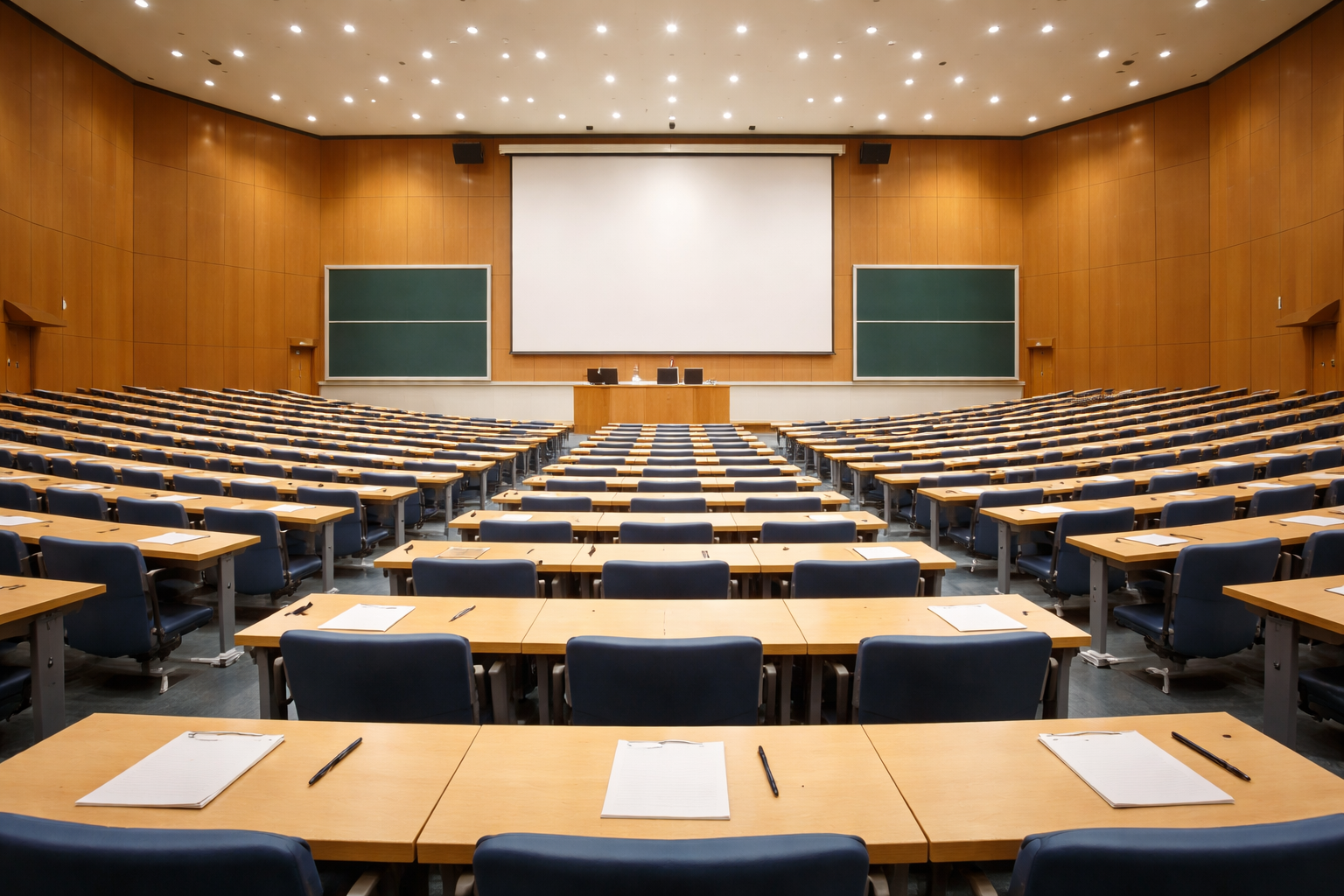
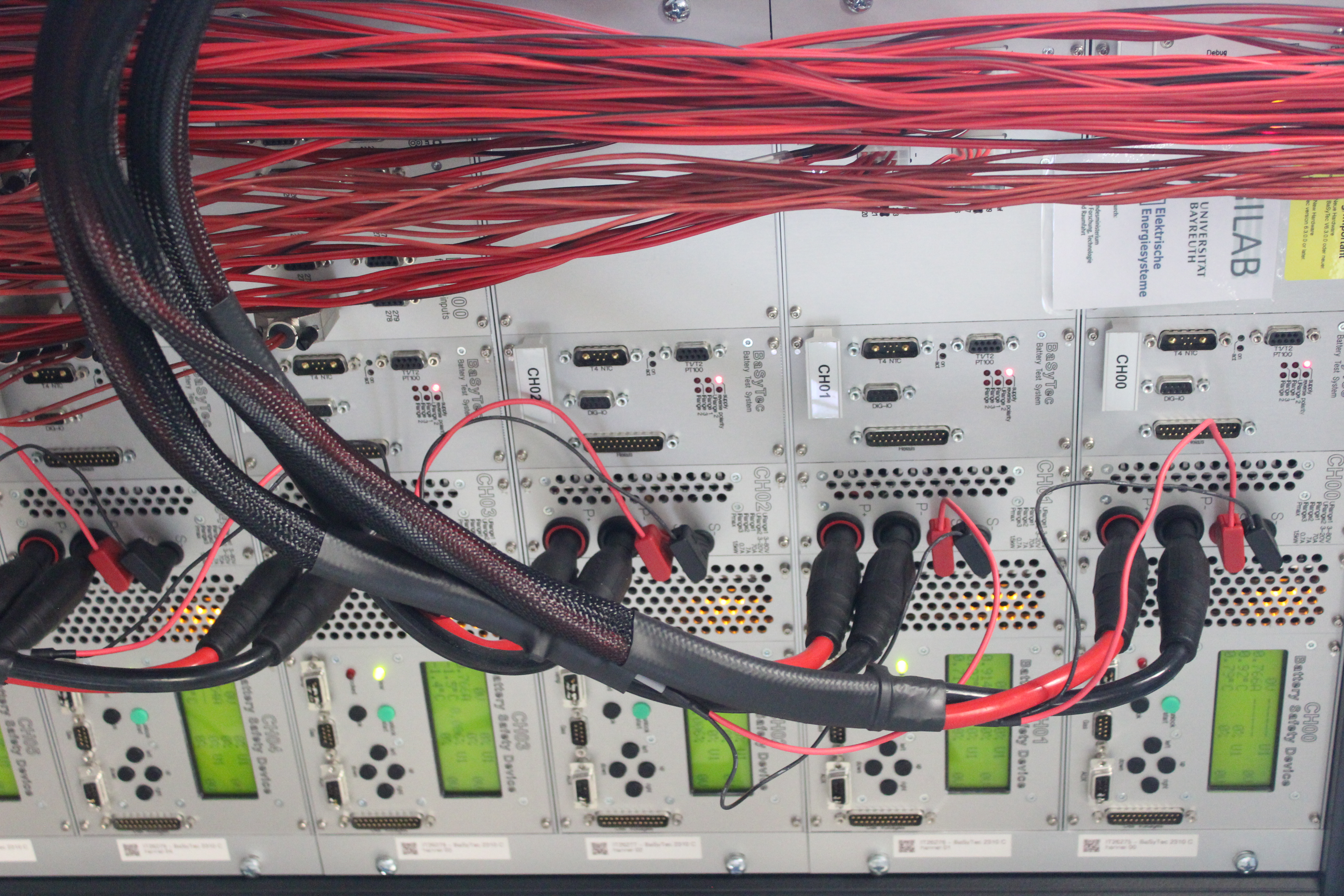
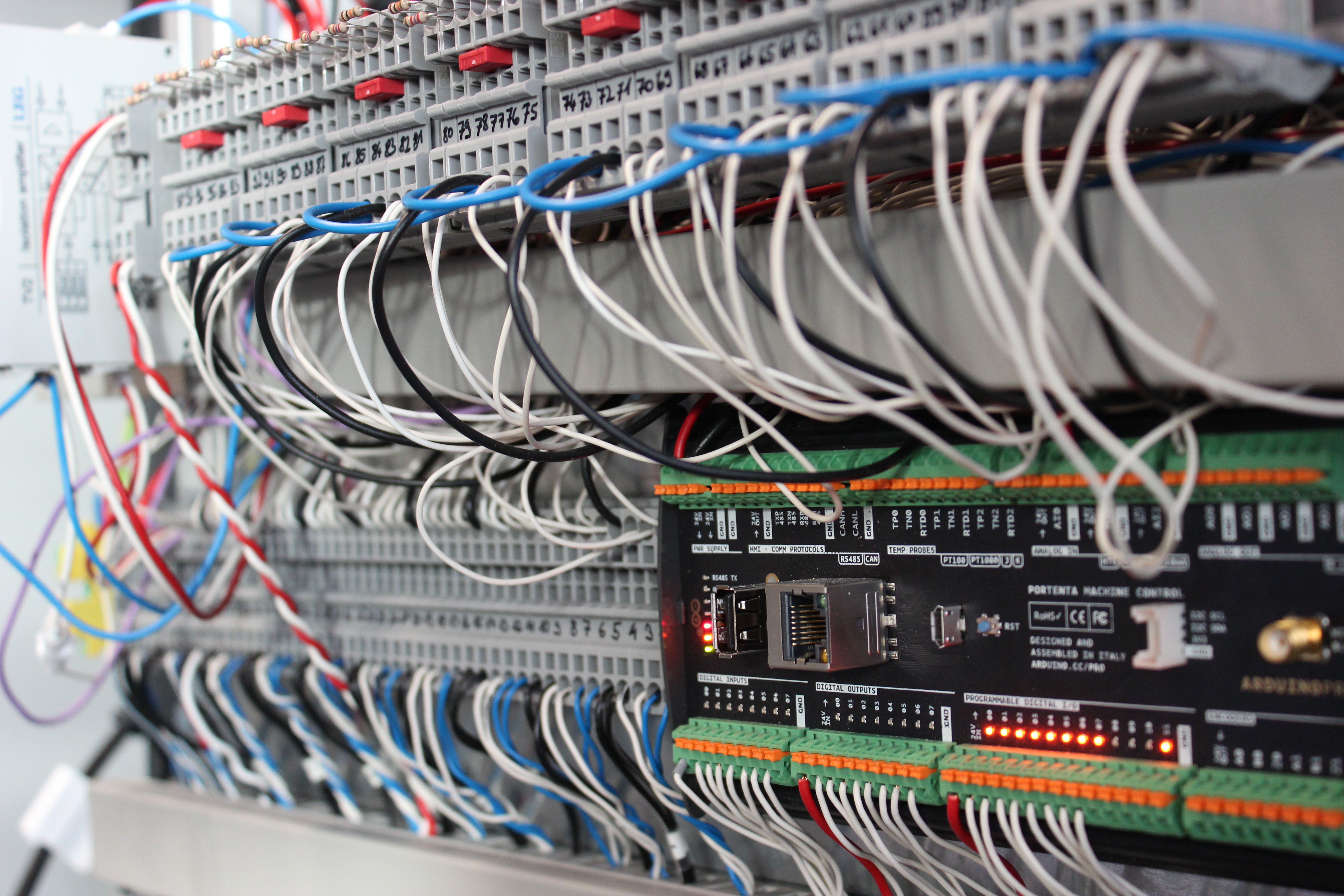
On-site workshops with your measurement setup, your data, and your technical priorities.

Book focused, expert-led training formats for electrochemical methods, interpretation, and practical implementation.
On-site workshops with your measurement setup, your data, and your technical priorities.
Interactive remote sessions with hands-on analysis blocks and discussion of participant data.
Seminar
C. Plank, T. Rüther, M.A. Danzer
International Workshop on Impedance Spectroscopy | 2022
DOI: 10.1109/IWIS57888.2022.9975131
T. Rüther, C. Plank, M. Schamel, M. A. Danzer
Applied Energy | 2023
DOI: 10.1016/j.apenergy.2022.120514
M. Petzl, M. A. Danzer
Journal of Power Sources | 2014
DOI: 10.1016/j.jpowsour.2013.12.060
A. Kinberger, T. Rüther, L. Jahn, M.A. Danzer
Journal of The Electrochemical Society | 2023
DOI: 10.1149/1945-7111/ae0073
Seminar
C. Plank, T. G. Bergmann, N. Schlueter, M. A. Danzer
Journal of The Electrochemical Society | 2025
DOI: 10.1149/1945-7111/adda7b
C. Plank, T. Rüther, L. Jahn, M. Schamel, J. P. Schmidt, F. Ciucci, M. A. Danzer
Journal of Power Sources | 2024
DOI: 10.1016/j.jpowsour.2023.233845
M. A. Danzer
Batteries | 2019
DOI: 10.3390/batteries5030053
M. Hahn, S. Schindler, L. Triebs, M. A. Danzer
Batteries | 2019
DOI: 10.3390/batteries5020043
M. A. Danzer, C. Plank, T. Rüther
Cell Reports Physical Science | 2024
DOI: 10.1016/j.xcrp.2024.102091
Seminar
Seminar
Seminar
Build capabilities and transfer methods into daily operations with practical examples.
Training
Onboard teams into methods, planning, analysis, and interpretation workflows.
Enablement
Transfer seminar outcomes into templates, SOPs, and follow-up Q&A for daily operations.
A seminar is a structured deep-dive to build understanding and shared vocabulary, supported by practical examples. Training is hands-on onboarding into methods and workflows, ideally using your data and tools. Enablement transfers this into daily operations through templates, SOPs, reporting standards, and follow-up Q&A.
Yes. We offer both in-house workshops at your site and live online sessions. Both formats are interactive and can be tailored to your team and technical goals.
Yes. We adapt examples, datasets, and focus topics to your setup, such as fixtures, excitation settings, frequency range, and modeling assumptions. We usually align this in a short scoping call before the session.
Typical participants include R&D teams, test engineering, and data analysis roles, as well as teachers and university lecturers, and we adapt depth accordingly. Deep-dive seminars expect baseline familiarity with electrochemical measurements. Fundamentals are suitable for teams building or refreshing core knowledge.
Please prepare your goals and key questions, a short instrumentation overview, and optional sample datasets. It is also helpful to share constraints such as timeline and team composition. NDA support is available when confidential data is involved.
Booking typically follows: request a quote, align scope and format, confirm dates, and receive agenda and materials. Depending on scope, materials, example workflows or templates, and Q&A time are included.